Preschool education plays a vital role in shaping a child’s academic and emotional future. In India, preschool usually caters to children aged 3 to 5 years and prepares them for primary school.
What Children Learn in Preschool
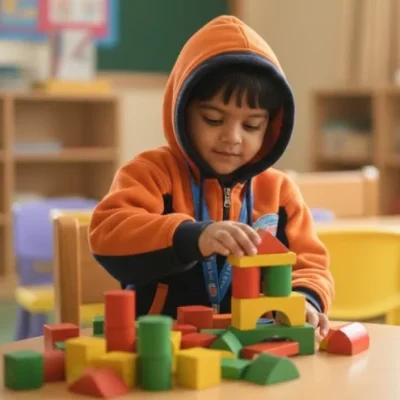
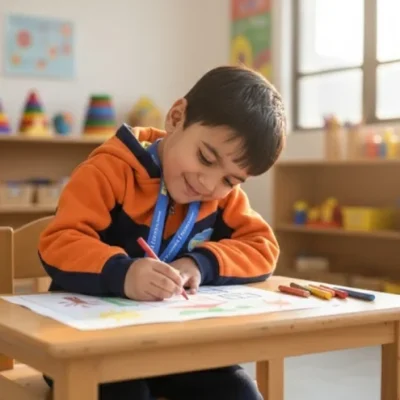
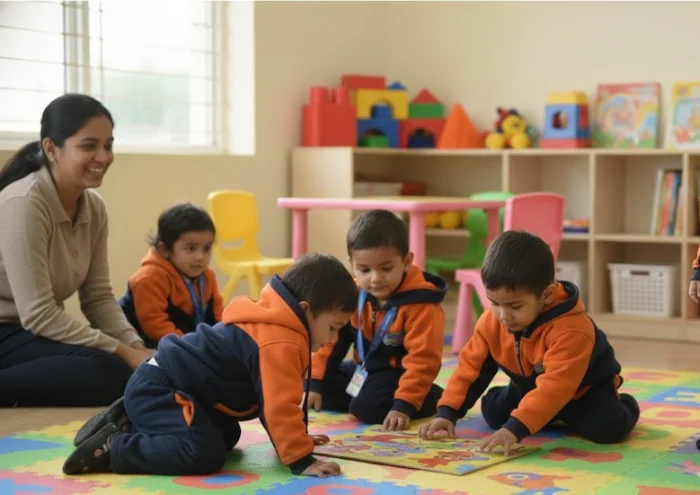
Preschool introduces alphabets, numbers, shapes, colors, and basic writing skills. Learning is done through worksheets, games, storytelling, and hands-on activities rather than rote memorization.
Teachers focus on both English and regional language development, which is important in Indian households where children often grow up bilingual.
Structured Routine and Discipline
Preschools help children follow routines such as morning assembly, activity time, snack breaks, and nap time. This structure builds discipline and time management skills.
Children learn to sit for longer periods, follow instructions, and complete tasks independently. These skills are essential for success in primary school.
Emotional and Social Growth
Preschool teaches children how to work in groups, wait for their turn, and communicate their needs clearly. Group activities build teamwork and confidence.
Indian preschools often include moral education, storytelling with values, and celebration of national festivals to build cultural awareness.
Role of Parents and Teachers
A strong partnership between parents and teachers supports a child’s growth. Regular parent-teacher meetings, progress updates, and activity feedback help parents stay involved.
Choosing the Right Preschool in India
Parents should look for trained educators, low teacher-student ratios, safe infrastructure, and a balanced curriculum. A good preschool focuses on learning with joy, not pressure.