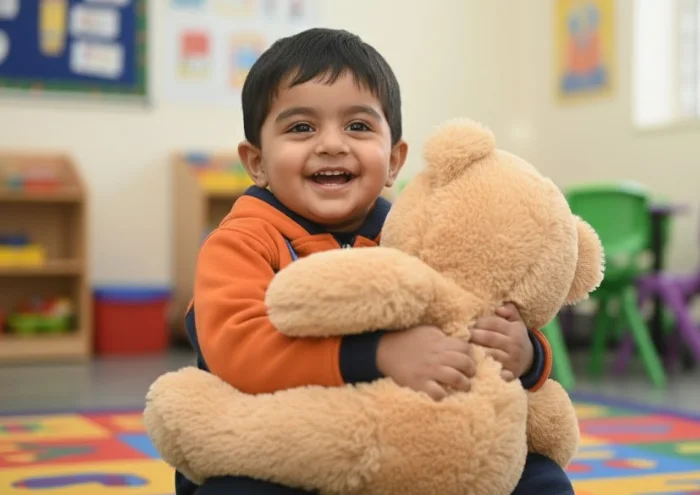
Parent toddler programs are ideal for children aged 1 to 3 years and their parents. These programs focus on early development with active parental involvement. Importance of Early Stimulation Activities like sensory play, music, movement, and storytelling support brain development, language skills, and motor coordination. Strengthening Parent-Child Bond Learning together strengthens emotional connection. Children feel secure when parents participate, making learning joyful and stress-free. Guidance for Parents Parents learn age-appropriate techniques to support development at home. These programs also provide a platform for parents to share experiences and build community. Preparing for Play School Parent toddler programs gently prepare children for separation and group learning, making the transition to play school smooth and comfortable. Why Indian Parents Value These Programs Indian parents appreciate the focus on bonding, cultural values, and holistic growth. Parent toddler programs lay a strong emotional foundation for lifelong learning.
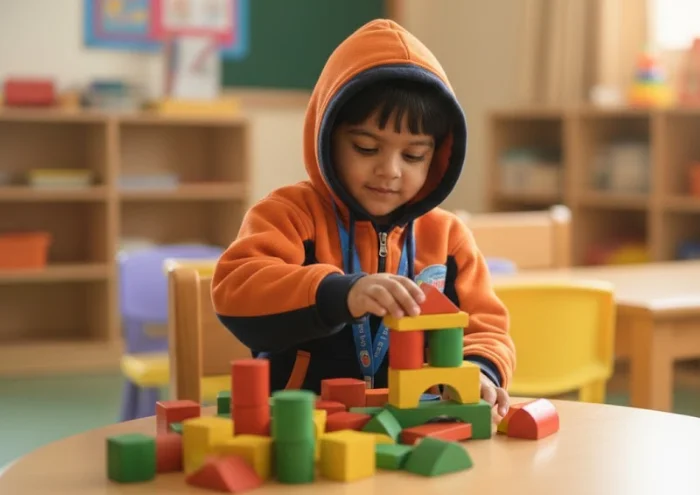
After School Care Programs in India: Safe, Smart, and Supportive
After school care programs are increasingly popular in Indian cities, especially for working parents. These programs provide a safe place for children once school hours end. Academic Support Homework assistance is a major benefit. Trained staff help children complete assignments, revise lessons, and prepare for tests in a relaxed environment. Balanced Activities After school care is not just about studies. Children engage in indoor games, creative arts, reading, and group activities that reduce stress and screen time. Social Skills and Confidence Spending time with peers in a supervised setting improves communication and teamwork. Children develop independence and self-confidence. Benefits for Parents Parents can manage work schedules without worrying about their child’s safety. After school programs offer reliable care until evening pickup.
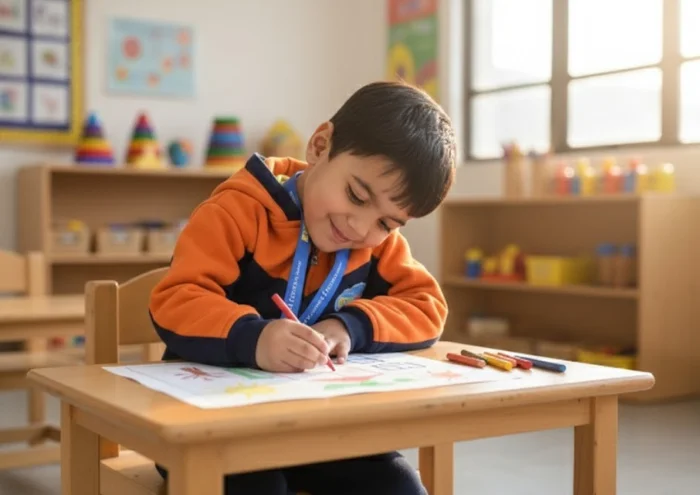
Daycare Programs in India: Trusted Support for Working Parents
With more nuclear families and working parents in India, daycare programs have become an essential support system. Daycare is not just about keeping children busy. It is about providing care, comfort, and learning in a safe environment. What Makes a Good Daycare A quality daycare offers a clean, secure, and child-friendly space. CCTV surveillance, trained caregivers, hygienic food practices, and emergency readiness are key concerns for Indian parents. Daily Routine in Daycare Children follow a structured schedule that includes free play, learning activities, meals, rest time, and outdoor play. This routine helps children feel secure and balanced. Emotional Care and Attachment Caregivers form emotional bonds with children, especially infants and toddlers. Gentle communication, patience, and affection help children feel comfortable even during long daycare hours. Learning Through Daily Activities Simple activities like puzzles, music, storytelling, and art support early learning. Children also learn social skills by interacting with peers of different ages. Peace of Mind for Parents For Indian parents, knowing their child is safe and happy while they work is priceless. A reliable daycare allows parents to focus on their careers without guilt or worry.
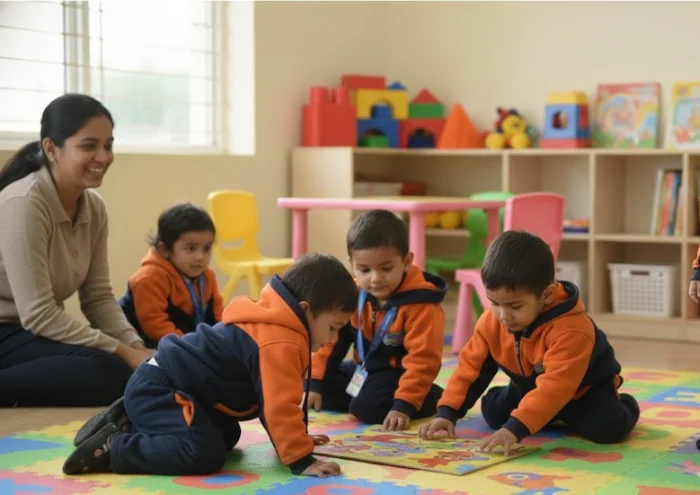
Preschool Education in India: Building the Right Foundation
Preschool education plays a vital role in shaping a child’s academic and emotional future. In India, preschool usually caters to children aged 3 to 5 years and prepares them for primary school. What Children Learn in Preschool Preschool introduces alphabets, numbers, shapes, colors, and basic writing skills. Learning is done through worksheets, games, storytelling, and hands-on activities rather than rote memorization. Teachers focus on both English and regional language development, which is important in Indian households where children often grow up bilingual. Structured Routine and Discipline Preschools help children follow routines such as morning assembly, activity time, snack breaks, and nap time. This structure builds discipline and time management skills. Children learn to sit for longer periods, follow instructions, and complete tasks independently. These skills are essential for success in primary school. Emotional and Social Growth Preschool teaches children how to work in groups, wait for their turn, and communicate their needs clearly. Group activities build teamwork and confidence. Indian preschools often include moral education, storytelling with values, and celebration of national festivals to build cultural awareness. Role of Parents and Teachers A strong partnership between parents and teachers supports a child’s growth. Regular parent-teacher meetings, progress updates, and activity feedback help parents stay involved. Choosing the Right Preschool in India Parents should look for trained educators, low teacher-student ratios, safe infrastructure, and a balanced curriculum. A good preschool focuses on learning with joy, not pressure.
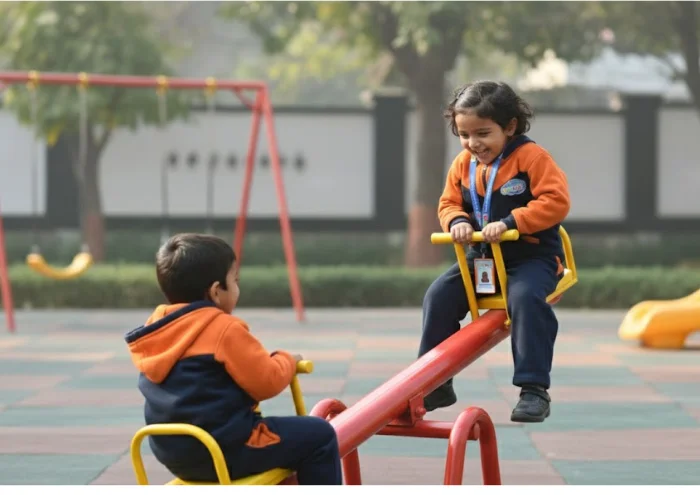
Kids Play School in India: A Happy First Step into Learning
For most Indian parents, choosing a kids play school is an emotional decision. It is the first time a child steps out of the comfort of home and enters a structured environment. A play school is not about academics or competition. It is about helping children feel safe, confident, and curious. What Is a Kids Play School? A kids play school is designed for children between 1.5 to 3 years of age. At this stage, children learn best through play, movement, music, and interaction. Indian play schools focus on activity-based learning rather than books or exams. Children are introduced to simple routines such as greeting teachers, sitting in a group, listening to stories, and cleaning up toys. These small habits slowly prepare them for future schooling. Importance of Play-Based Learning Play-based learning allows children to explore without fear. Activities like block building, drawing, pretend play, rhymes, and outdoor games help develop imagination, language skills, and coordination. In the Indian context, play schools also include cultural elements such as Hindi and English rhymes, festival celebrations, moral stories, and basic values like sharing and respect. Social and Emotional Development One of the biggest benefits of a play school is social exposure. Children learn to interact with peers, express emotions, and manage separation from parents in a healthy way. This builds emotional strength and self-confidence. Teachers play a key role by offering comfort, encouragement, and positive reinforcement. A caring teacher can make a child feel secure even in a new environment. Role of Teachers and Infrastructure Good play schools in India focus on trained teachers, child-friendly classrooms, and safe play areas. Clean washrooms, CCTV monitoring, soft flooring, and age-appropriate toys are important factors parents look for. Why Indian Parents Choose Play Schools Indian parents value discipline, safety, and moral learning. A quality play school balances fun with structure, ensuring children enjoy learning while developing good habits. A strong play school experience helps children transition smoothly into preschool and formal education.